Every Tuesday evening, many people from all over our province and beyond gather on Zoom to learn and practice what is for most of them a new way of doing both life and healing ministry, called “The Immanuel Approach.” Much of what we practice in Immanuel is far from new; it’s grounded in ancient Christian spiritual disciplines like silence, centering prayer, stirring up gratitude, and inviting Jesus to reveal himself to us. When we do these things, he often speaks a healing word to us in His still, small voice.
What is new for many is the way we have learned to put these practices together, which is informed by contemporary neuroscience. Two collaborative pioneering leaders in this spiritual discipline are Dr. Jim Wilder, neuroscientist and theologian, co-author of The Other Half of Church (2020), and Dr. Karl Lehman, Christian psychiatrist, author of The Immanuel Approach (2016). I’ve been blessed to host Dr. Karl at my home when we had him for a conference at my home church in Virginia a few years ago. Wilder’s co-author, Michael Hendricks, was the main speaker at the clergy-spouse retreat for the Diocese of the Mid-Atlantic in 2024. More and more Anglicans are now using Immanuel for healing and to abide in Christ.
Immanuel prayer is a way to connect with Jesus that can effectively help us change our character. A huge problem in the church today is that we are filled to the brim with good teaching, but not so much with holiness or mission focus.
Why is that?
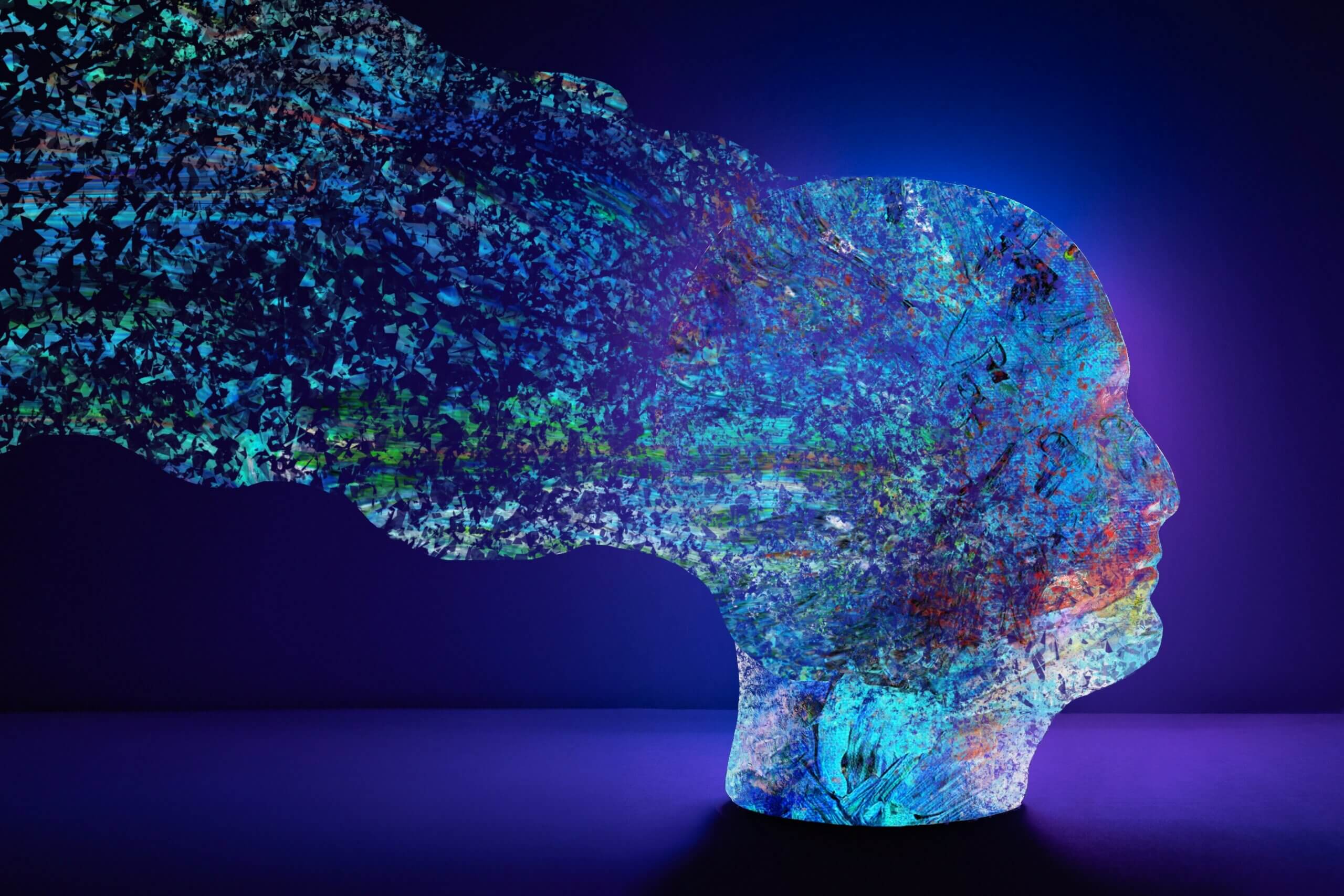
Wilder and Lehman say that our churches spend almost all our time targeting the left brain – giving us more information, hoping that will help us become more like Christ; and challenging us, hoping to engage our will. Both of those are high-level, left-brain activities. Lehman and Wilder agree that these are important, but we need more. Christians aren’t seeing desired godly character changes, they say, because we have mostly ignored the right brain – the sub-cortical, more primitive, back brain, our relational brain, where so much happens that we are unaware of.
Immanuel takes account of the new brain science on attachment theory, particularly neurobiologist Dr Allen Schore.
Here’s a simplified overview of this. Our “right brain” processes information faster than our left brain, and makes many decisions before our left brain even gets involved. The brain operates on 5 levels. Levels 1 and 2 are sub-cortical, and subconscious.
- Level #1 is the Basal Ganglia. It’s your attachment level. It’s asking the question, is what I’m sensing personal to me? If it isn’t, it’s dismissed immediately. If your parents were glad to be with you and with each other, you can have secure attachments to them. Many of us have disordered attachments. A main goal of Immanuel prayer is developing a secure attachment to Jesus, so we practice this often.
- Level #2 is the Amygdala. It’s your assessment level. It’s asking, is this stimuli good, bad, or scary? If there is a predator nearby, your amygdala will alert you, flood your brain with cortisol and your legs with blood, so you can run away. In Immanuel, we aim to calm the amygdala and activate the parasympathetic nervous system through quieting ourselves.
- Level #3 is your cingulate cortex. This is the attunement level. It’s asking, does this person “get” me? Can I share my life situation with them? In Immanuel, we learn how to attune to one another.
- Level #4 is the medial prefrontal cortex, called your identity center. This part of the brain is asking these questions: Who am I? Who are my people? How does my “best self” react in these situations? How do my people react in these situations? It’s about both individual and group identity. Teaching about and understanding our identity in Christ is so effective in forming disciples because it is also about who we are attached to. You first learn your identity as a child, from your parents.
- Level #5 is the analytical intellect and the will, found in the left prefrontal cortex and parietal lobe. We don’t neglect these!
After quieting ourselves, each one begins Immanuel practice with a unique, positive memory of a God connection. Reliving that memory and stirring up appreciation within it provides an effective doorway to have a living, adequate, interactive connection with God. If someone is facilitating for training or healing, he asks you to describe out loud what is happening in your memory, because when you do that, your relational circuits turn on, and you are more likely to recognize subtle manifestations that you otherwise might miss. We help each other to connect to the real Jesus and to identify counterfeits.
Doing Immanuel exercises help us build a secure attachment to Jesus. Studies show that our attachments are the strongest force in our lives for the formation of our character: not reading and not listening to sermons. Character formation is mostly about our attachments, and it’s mostly sub-cortical. It’s right-brained activity that you are not even aware is happening. Your character is formed by the persons you are attached to, like your parents, your family, your husband or wife – and your God. Secure attachments are formed through rhythms of joy and peace. When you do this Immanuel practice regularly with God, your attachment to Him grows more secure and deep. This is an important part of inner healing, all by itself, even without dealing with traumatic memories. We use it as the first step when we pray for people’s trauma in prayer appointments.
In our Tuesday Zoom class, God has developed a loving and growing community of those interested in abiding in Christ and in developing proficiency in healing prayer. I’m happy to talk to you about these concepts and practices. All are welcome to join us in these lifegiving journeys. The information below is for our current training on the Immanuel Approach, but if you would like to talk more about other types of training we offer, such as physical healing, deliverance, forgiveness, listening to God, and topical book studies. The information below is for our current Advanced Training, but if you would like to talk more about other levels of Immanuel Training, or have questions, please feel free to email me at cnixon@americananglican.org.